Empower Your Research — Within Weeks
Turn research pressure into a success story. An all-in-one, science-backed program for lasting change — built by a PhD, for researchers navigating the pressures of academic and scientific work. Just 30 minutes a day, flexible enough to fit around your busiest weeks.
Book free call
Who This Is For
- You're a PhD candidate, postdoc, or researcher dealing with imposter syndrome, time pressure, or the early signs of burnout
- You've tried generic productivity advice ("just make a to-do list!") and it hasn't touched the actual problem
- You want lasting change, not a quick motivational boost that fades in a week
- You need something that fits in 30 minutes a day — not another commitment competing with an already full research schedule
How the Course Works
This is an all-in-one program built for real, lasting change over time — not a one-off pep talk.
- Just 30 minutes a day, flexible enough to fit around experiments, writing, teaching, and deadlines
- Science-backed methods, applied over a longer period so the change actually sticks
- Built by a PhD, for people working in research — every method has been tested against the reality of academic and scientific work, not adapted from a generic corporate wellness program
What You'll Learn - three pillars for your success
Pillar 1 — Overcome Imposter Syndrome
Develop a growth mindset for more focus, confidence, and success. Learn to recognize and work through the self-doubt that quietly undermines researchers at every career stage — from first-year PhD to postdoc and beyond.
Pillar 2 — Master Your Time
Implement time management tools built for research life — not office-job scheduling advice. Get more done in less time, achieve your goals, and build in actual balance instead of just more hours of work.
Pillar 3 — Handle Your Stress
Build healthy habits and coping mechanisms for more resilience and reduced stress — so you can prevent burnout before it happens, not just recover from it afterward. Relevant whether you're mid-PhD, running your own lab, or anywhere in between.
Format
- Short video lessons — rewatch anytime, work through at your own pace
- Just 30 min/day — designed to fit into a full research schedule, not compete with it
- Exercises for self-reflection — not just watching, actually applying it to your own situation
- Live Zoom sessions — for questions and peer exchange
- Science-backed, built over time — lasting change, not a quick fix
Your Trainers
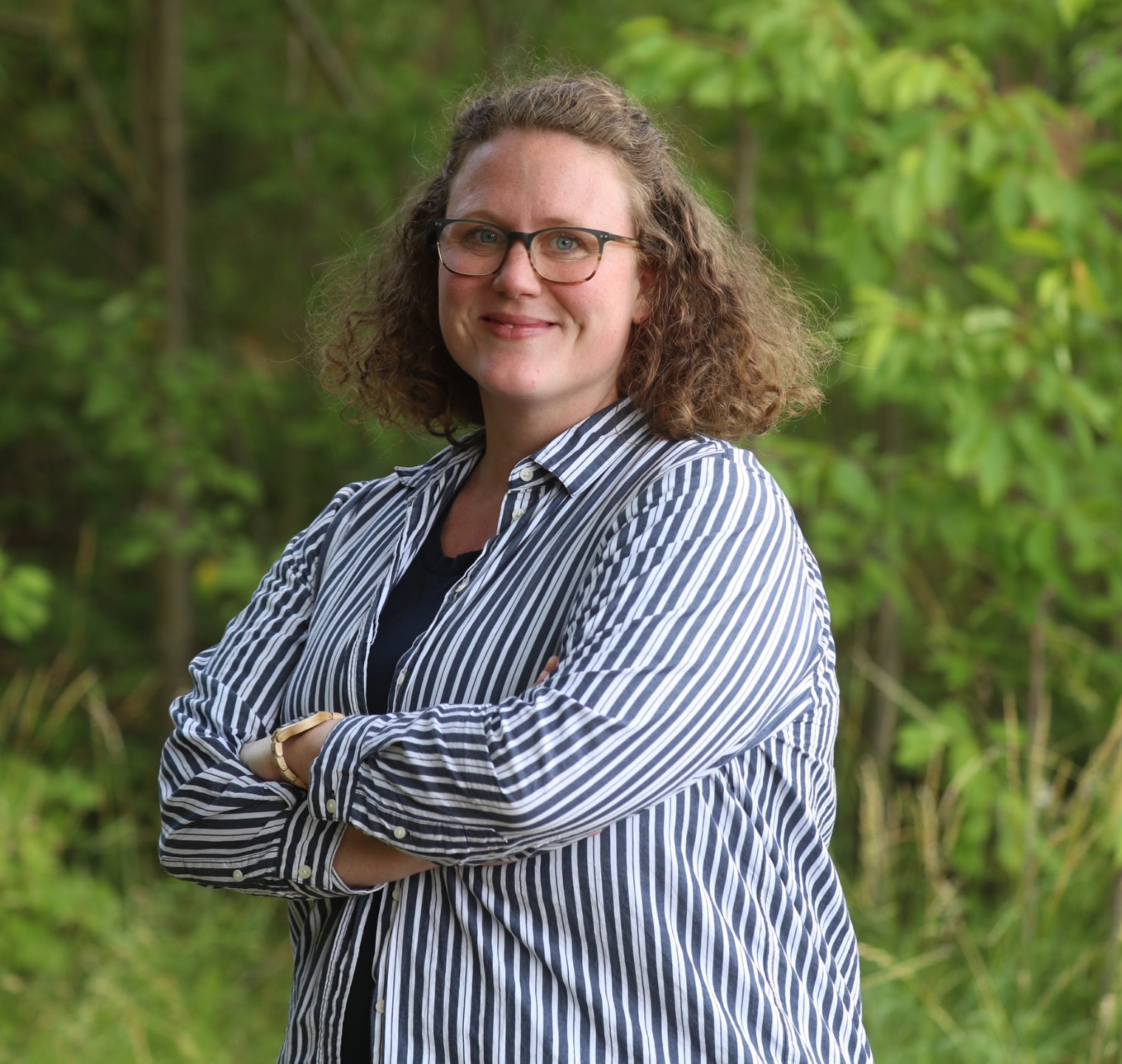
Dr. Michaela Höhne-Wiechmann
Went through a PhD herself — imposter syndrome, time pressure, and all — and built this program from what actually worked, not from generic wellness theory. While originally developed with PhD candidates in mind, the methods apply just as directly to postdocs, PIs, and anyone working under research-specific pressure.
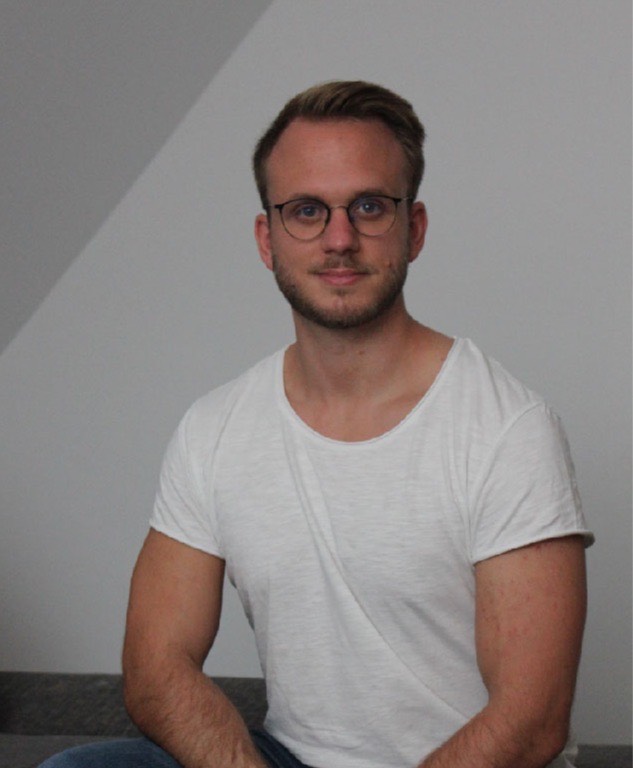
Thorsten Höhne
Has a completely different background - but still had similar experiences with imposter syndrome, juggling endless to-do lists and stress - resulting in a burnout. Now shares his perspectives and experiences to help researchers thrive.
What people say:

Being the coordinator of a graduate school, I am frequently contacted by PhD students who seek advice or an open ear for their current situation. Stress, the feeling of being overwhelmed and overworked, pressure to perform and feeling insecure about the future, are topics students touch very often. I can literally see how they get trapped in negative thoughts, unable to identify tools that could help them change their mindset. Suggesting to attend courses training their stress tolerance and learn how to deal with such situations, considering their overcrowded schedules, can seem ironic in this setting.
The modular structure of the ElantoScience workshops with all trainings being recorded and accessible at all times, allows busy PhD students to attend courses at their own pace, repeat individual elements if they need and take their time to reflect on, as well as practice course contents. Despite of participating from remote, at all times during their training, they can still get in touch with the trainer, interact with other participants of the course during the Q&A and exchange meetings, a feature students found very helpful.
The “PhD Survival System” is a precious training program that can get easily integrated in the busy schedule of stressed PhD students and offers the support young scientists need to handle this demanding qualification period. I highly recommend it without any hesitation and can only encourage PhD students to give it a try… They might realise they manage coping with their “PhD-stresses” much better afterwards.
Graduate School Coordinator, University of Cologne

- As I mentioned earlier, even though I came across this course a bit late into my PhD, I still find it helpful.I have already started seeing some changes after implementing and sticking to some of the changes that have been suggested in the course. Having a routine made me realize that I have more than enough time to do what I want and along with meditation it has already helped me in managing my stress
PhD Candidate - ML4Q - University of Cologne

-
Again, I liked the flexibility of the videos and exercises, finding weekly dates for courses would have been difficult. Having those three big topics showed me where my real problem lies and its with imposter syndrome so I will definitely have another look at those videos and exercises!
PhD Candidate - University of Göttingen

-
I liked the structure of the course first of all... 10 lessons to work on yourself in a month is great. There are scientific evidences, personal experiences, exercises. And mostly, I like the feeling of not being alone.
PhD Candidate - ML4Q - University of Cologne